
Arthritis Relief & Management: How to Find Natural Relief and Live Better

Waking up in the morning and feeling like your body isn’t responding as it should is a harsh reality for many people. That stiffness in your joints, the feeling that every movement requires extra effort, and the pain that sometimes feels like an unwanted guest refusing to leave. If you are reading this, you probably know this sensation well, or you live with someone who faces it every day. Arthritis affects millions of lives, turning simple tasks—like opening a jar or walking to the bakery—into major challenges.
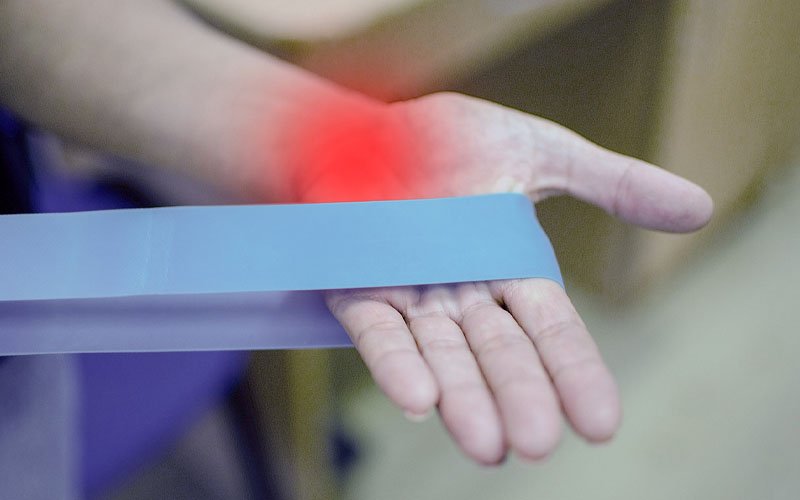
Arthritis Relief & Management is a concept that goes far beyond just taking pills at the right time. While medication prescribed by your doctor is fundamental and irreplaceable, it doesn’t have to be your only tool on this journey. There are complementary paths, subtle changes in routine, and smart choices that can transform how your body deals with inflammation. Below, we will talk about how food, emotional control, and movement can be your greatest allies in the search for lighter days.
The Pharmacy in Your Kitchen: The Power of Food
When we think about treating a health condition, the first image that comes to mind is often a pillbox. But have you ever stopped to think that what you put on your plate three times a day can be as powerful as medication? Nutrition is the foundation of everything. Some foods have the incredible ability to calm the immune system, while others add “fuel to the fire” of inflammation.
The key here is to focus on ingredients that fight the inflammatory process from the inside out. We are not talking about crazy restrictive diets, but about inclusion. It’s about adding life and color to your plate.

The Secret of Omega-3 Fatty Acids
You may have heard of them, but it is time to take them seriously. Cold-water fish, such as salmon, sardines, and tuna, are true treasures for those seeking joint relief. They are rich in omega-3, a type of “good fat” that acts by decreasing the production of chemicals that cause inflammation in the body.
If you are not a fan of fish, don’t worry. Nature is wise and offers alternatives. Walnuts, flaxseeds, and canola oil are also wonderful sources. Imagine that every time you consume these foods, you are sending an army of peacekeepers to your joints, helping to reduce swelling and pain.
Olive Oil: Liquid Gold
There is a reason the Mediterranean diet is so praised. Extra virgin olive oil contains a compound called oleocanthal. Studies show that this substance acts very similarly to non-steroidal anti-inflammatory drugs, like ibuprofen.
It is fascinating to think that about three tablespoons of high-quality olive oil can have an effect similar to a low dose of pain medication. Of course, moderation is needed because olive oil is caloric, but using it to dress your salads or finish dishes is a delicious and smart strategy for your well-being.
Brazil Nuts and the Power of Selenium
Here is a precious tip that often goes unnoticed. The Brazil nut is one of the greatest sources of selenium on the planet. Research indicates that low levels of selenium in the body may be associated with a higher risk of rheumatoid arthritis or worsening symptoms.
Selenium helps the body’s antioxidants eliminate free radicals—unstable molecules that damage cells and increase inflammation. Eating just two or three nuts a day is enough to maintain adequate levels. It is a small, quick gesture, but with a giant impact on your long-term health.
The Mind-Body Connection: Managing Stress to Relieve Pain
We often focus so much on physical pain that we forget to look at what is happening in our heads and hearts. Stress is one of the biggest silent villains of arthritis. When we go through traumatic events or live in constant tension, our body releases a flood of chemicals, such as cortisol, which keeps us in a state of alert.
This constant state of alert increases muscle tension and, consequently, the perception of pain. If you are stressed, your joints feel it. Therefore, taking care of your mind is taking care of your knees, hands, and back.
Identifying and Sharing Feelings
The first step to breaking this cycle is understanding what is taking away your peace. Is it work? Family problems? Financial worries? Naming the issues helps diminish the size of the monster.
After identifying them, do not keep them to yourself. Emotional pain, when repressed, often turns into physical pain. Talk to a trusted friend, a caring family member, or consider therapy. Speaking relieves the burden. When we share the weight, it becomes lighter to carry, and your body thanks you by relaxing accumulated tension.
Setting Goals and Organizing Time
The feeling of being overwhelmed makes everything worse. Try to establish small daily goals. Do not try to embrace the world all at once. If today you can only do one task, that’s okay. Celebrate that victory. Organizing your time realistically decreases anxiety and prevents you from entering that cycle of frustration that triggers stress and inflammation.
Movement is Medicine: Exercises for Arthritis Relief & Management
It is natural to be afraid to move when you feel pain. Instinct tells you to stay still, curled up. But, paradoxically, lack of movement is what makes the joint “rust” even more. Regular exercise is one of the most potent tools we have. And the good news? You don’t need to become an Olympic athlete.
The Right Dose of Activity
It is not necessary to exercise every day until exhaustion. Consistency is worth more than intensity. Try to move three to four times a week, for 15 to 30 minutes. Light walks, swimming, or water aerobics are fantastic because the water supports the body’s weight, relieving pressure on the joints while you strengthen yourself.
Muscle Strengthening
Strong muscles protect fragile joints. Think of your muscles as natural shock absorbers. If the thigh muscles are strong, the knee suffers less impact with every step. Including light resistance exercises, using bands or your own body weight, helps regulate weight and gives stability to your skeleton.
The Magic of Yoga and Stretching
Yoga is much more than beautiful poses. It is a breathing and stretching technique that oxygenates tissues and improves flexibility. Practicing gentle Yoga teaches your body to relax amidst discomfort, improving range of motion and reducing morning stiffness. It is a moment of connection with yourself that brings immediate physical and mental benefits.
Alternative Therapies: Expanding Horizons
Sometimes, we need to look to ancient wisdom to find solutions for modern problems. Western medicine is incredible, but it can be complemented by age-old practices that look at the body as a whole, not just the part that hurts.
Acupuncture: Needles that Heal
Acupuncture is a technique from Traditional Chinese Medicine that uses very fine needles inserted into specific points of the body, called meridians. The idea is to unblock the flow of energy and improve blood circulation.
It may seem strange if you have never tried it, but modern science already recognizes its benefits. It is believed that acupuncture stimulates the nervous system to release endorphins and other natural painkillers from the body itself. For many arthritis patients, regular sessions result in a significant decrease in pain and the need for pain medications. If you are afraid of needles, know that they are so fine that most people barely feel them when applied. It is worth trying with an open mind.
Massage and Heat
Other manual therapies, such as therapeutic massages focused on myofascial release, can help loosen tight muscles around the affected joint. In addition, the use of heat (hot water bottles) helps to relax and increase blood flow, while cold (ice) is excellent for moments of acute crisis with swelling. Learning to alternate between these simple techniques at home can give you much greater control over your daily life.
Building a New Routine
Adopting all these changes at once can seem scary. The secret is to go slow. Start by adding a handful of nuts to your afternoon snack. The following week, try walking for 15 minutes around the block. Then, schedule that conversation with a friend to vent.
Arthritis management is a puzzle where every piece counts. There is no single magic cure, but there is a set of attitudes that, added together, restore quality of life. You are not defined by your pain. You are defined by how you choose to live despite it.
Always remember: your body is resilient. It wants to heal; it wants to feel good. By giving it the right nutrients, appropriate movement, and necessary mental rest, you are creating the perfect environment for it to do its best work.
Summary of Key Points
-
Anti-inflammatory Diet: Prioritize fish rich in omega-3, extra virgin olive oil, and Brazil nuts to fight inflammation naturally.
-
Stress Control: Stress aggravates pain. Use communication, therapy, and time management to keep your mind calm.
-
Smart Movement: Sedentary behavior worsens stiffness. Bet on low-impact exercises and regular muscle strengthening.
-
Complementary Therapies: Acupuncture and other integrative practices can stimulate the body’s natural painkillers and improve circulation.
-
Consistency: Small sustainable changes in routine are worth more than sporadic major efforts.
Conclusion
Living with arthritis does not mean giving up the joy of living. As we have seen, the path to Arthritis Relief & Management is paved with daily choices that empower you. By looking at your plate, your feelings, and your body with more affection and attention, you take control of your health.
Do not wait for the pain to pass to start living. Start implementing these small changes today and watch how your body responds with gratitude and relief. You deserve a full, active, and, above all, happy life.
Did you like this article? Do you have a favorite anti-inflammatory recipe or an exercise that helped you a lot? Share your experience; your tip might be the light another person needed today.
